Introduction
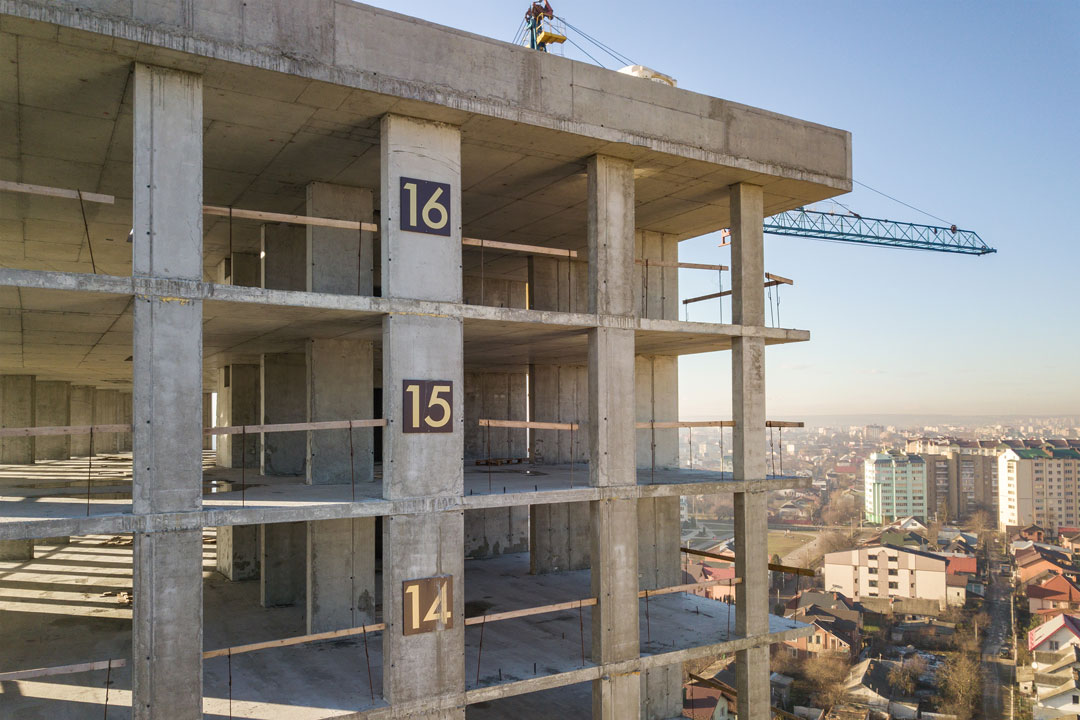
Harvey Builders, a general contractor erecting a 17-story building covering 420,000 square feet, ran into a problem that threatened the entire project timeline. Low cylinder break results from a third-party testing lab indicated the concrete did not meet specified strength requirements — setting the project back three weeks.
The Problem
Third-party lab results showed the concrete was failing to meet specified compressive strength, triggering a three-week delay. The contractor could not proceed with formwork removal or post-tensioning until the discrepancy was resolved. The core question: was the concrete actually underperforming, or were the test results unreliable?
Sensytec's Solution
Sensytec deployed 10 sensors per floor to track in-place temperature and compressive strength in real time. The sensor data revealed that the concrete met specified strength within just 10 hours of pouring — the third-party lab's findings did not reflect actual in-place conditions.
Key Results
Bottom Line
When third-party testing results don't match what's happening in the structure, you need an independent source of truth. Sensytec's sensors gave Harvey Builders the data to prove their concrete met spec, recover a three-week delay, and save $230,000.
Conclusion
The Harvey Builders project demonstrates the value of real-time concrete monitoring on high-rise construction. When traditional testing methods produced unreliable results, Sensytec's sensors provided the accurate, in-place data needed to keep the project moving.